
Best Load Board Aggregators in 2026: Where Carriers Find High-Paying Loads Faster
TruckSmarter is the strongest free aggregator, pulling loads from multiple sources at no cost. DAT Load Board and Truckstop function as de facto aggregators by volume alone, since together they carry the largest share of digitally posted freight in the market.

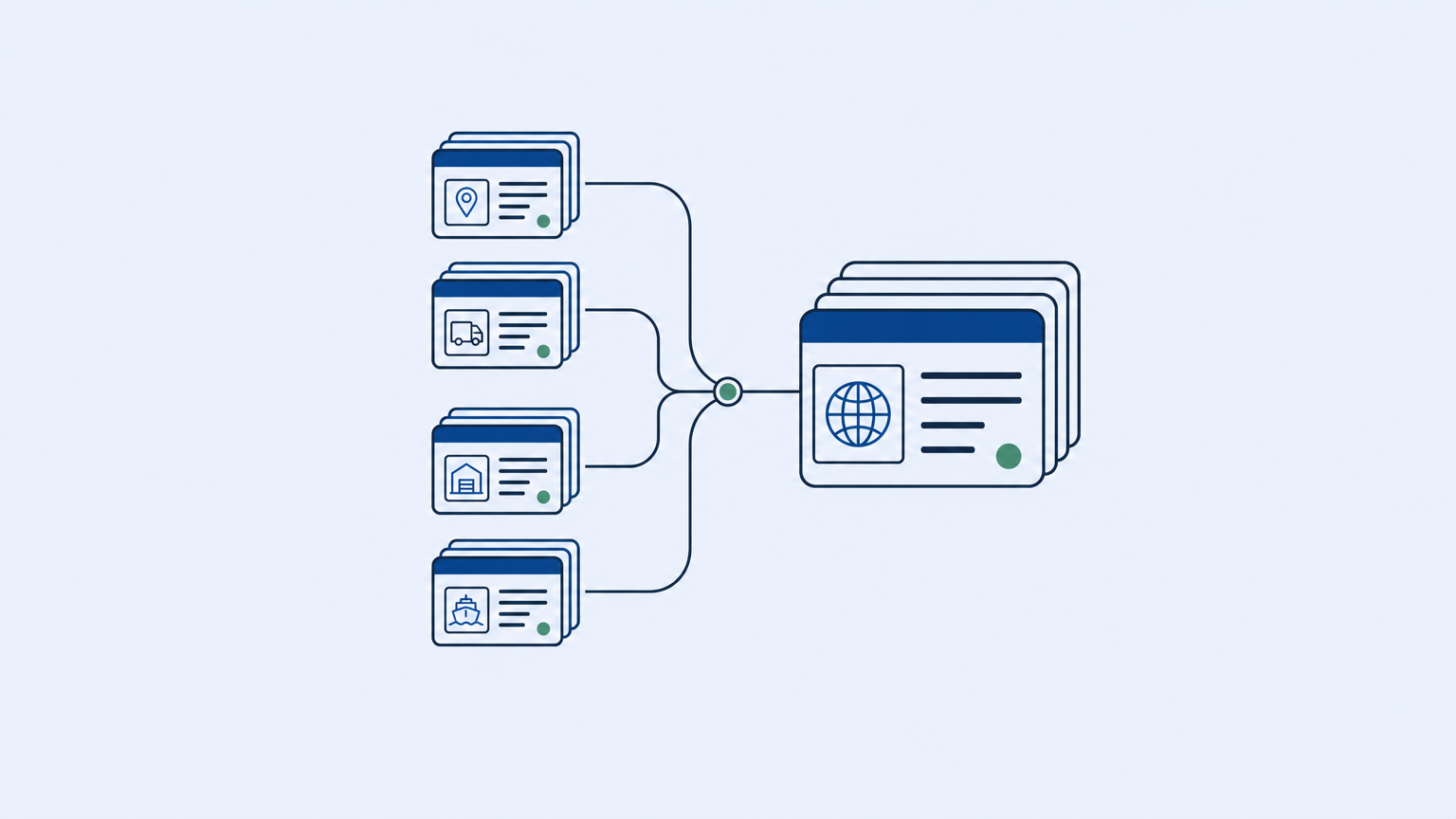
Every carrier running spot freight eventually hits the same wall: the good loads aren't sitting on one board, they're scattered across a dozen broker portals and two or three major platforms, and checking all of them manually costs time that should be spent driving. Aggregators exist specifically to close that gap, pulling postings from multiple sources into a single search instead of forcing you to tab between apps.
Quick answer: TruckSmarter is the strongest free aggregator, pulling loads from multiple sources at no cost. DAT Load Board and Truckstop function as de facto aggregators by volume alone, since together they carry the largest share of digitally posted freight in the market. 123Loadboard offers genuine aggregation value at a lower price point than the two majors, useful for carriers who want broader reach without premium-tier cost.
Aggregator vs. Single-Source Board: The Distinction That Matters
Not every platform calling itself a load board actually aggregates. Some, like a broker's proprietary portal, only show that broker's own freight. A true aggregator compiles postings from multiple brokers and shippers into one searchable interface, which matters because a meaningful share of freight posted on one broker's board also gets posted to major aggregators, meaning the aggregator route usually surfaces the same opportunities with less manual searching, not fewer of them.
The trade-off: broker-direct boards occasionally carry freight that never reaches the larger aggregators, so an aggregator isn't a complete replacement for maintaining a few direct broker relationships. It's a force multiplier on search speed, not a substitute for a relationship-based book of business.
Aggregators Compared
Aggregator | Cost | Coverage Approach | Best For |
|---|---|---|---|
Free | Pulls loads from multiple boards/brokers into one interface | Carriers wanting broad reach with no subscription | |
$39 to $199+/month | Largest single network, functions as the de facto standard | High-volume dry van/reefer operations | |
From roughly $39/month | Second-largest network, strong flatbed coverage | Open-deck and mixed-equipment fleets | |
Free basic, $35 to $45/month premium | Mid-size aggregation at lower cost | Budget-conscious carriers wanting more than one source | |
Niche pricing | Aggregates bulk/ag-specific freight sources | Bulk and agricultural haulers |
Figures compiled from vendor materials and third-party comparisons as of mid-2026. Confirm current pricing directly, since promotional and tiered rates shift frequently.
Why Speed to a High-Paying Load Actually Matters
A load posted at a strong rate doesn't stay posted long. The carriers who book it are the ones searching the widest pool of freight the fastest, not necessarily the ones with the lowest operating cost. This is the core value proposition of an aggregator: instead of checking DAT, then Truckstop, then a broker's private portal one at a time, a genuine aggregator search surfaces the best-fit result across sources in a single pass, which directly compresses the time between a load posting and a carrier claiming it.
That speed advantage compounds with rate visibility. Aggregators and major boards with strong analytics let a carrier see what a lane has historically paid before accepting a rate, which means less time spent finding freight and more of that freight coming in at a fair rate, rather than whatever number the first broker to call offers.
Used an aggregator to actually book freight, not just browse it?
Whether the extra reach was worth the switch, and what it actually did to your average rate per mile, is exactly the kind of detail another carrier needs before they commit.
What to Look for in an Aggregator
Source breadth, not just load count. A platform claiming a large daily load count isn't automatically aggregating well if most of that volume comes from a single dominant source. Ask specifically how many distinct brokers or boards feed into the platform.
Duplicate handling. Since the same load frequently gets posted to multiple boards, a good aggregator should recognize and consolidate duplicates rather than showing the same freight five times under five different postings.
Rate context, not just listings. The platforms that actually help you find high-paying loads faster pair the listing with market rate data for that lane, so you're not guessing whether a posted rate is strong or below market.
Equipment-specific filtering. Broad aggregation is only useful if you can immediately filter down to your equipment type and lane preferences. A platform that dumps every posting into one undifferentiated feed defeats the purpose of aggregating in the first place.
FAQ
What is a load board aggregator?
A platform that compiles freight postings from multiple brokers, shippers, or other load boards into a single searchable interface, reducing the need to check several separate apps to find available freight.
Are load board aggregators free?
Some are, like TruckSmarter. Others, like DAT and Truckstop, function as aggregators by sheer volume and network size but charge a subscription. Which makes more sense depends on whether you value a zero-cost tool or the deeper rate data and broker relationships that come with a paid major board.
Do aggregators actually find better-paying loads, or just more loads?
Primarily more loads, searched faster. The rate itself is set by the market and the broker, not the aggregator. Where aggregators help with pay specifically is by surfacing rate history and market data alongside listings, so carriers can identify and prioritize the better-paying options among what's available.
Can I rely on an aggregator alone, or do I still need direct broker relationships?
Most successful carriers use both. An aggregator maximizes search efficiency across posted freight, but some broker relationships and repeat-customer freight never hit a public board at all, and that freight is often the most consistent and best-paying available.
Is DAT or Truckstop technically an aggregator?
Not in the strict sense of pulling from competing platforms, but both function as de facto aggregators because of their sheer network size: most brokers post directly to one or both, so searching either one effectively surfaces the large majority of digitally posted freight in the market.
Compare aggregators and load boards side by side on the Load Boards & Freight Marketplaces category.